Mobility & physical
Retrieving dropped items, opening and closing doors, turning lights on and off, bracing for balance, pulling a manual wheelchair, providing support on stairs.
What service dogs can be trained to do, with examples for mobility, medical alert, psychiatric, hearing and autism support.
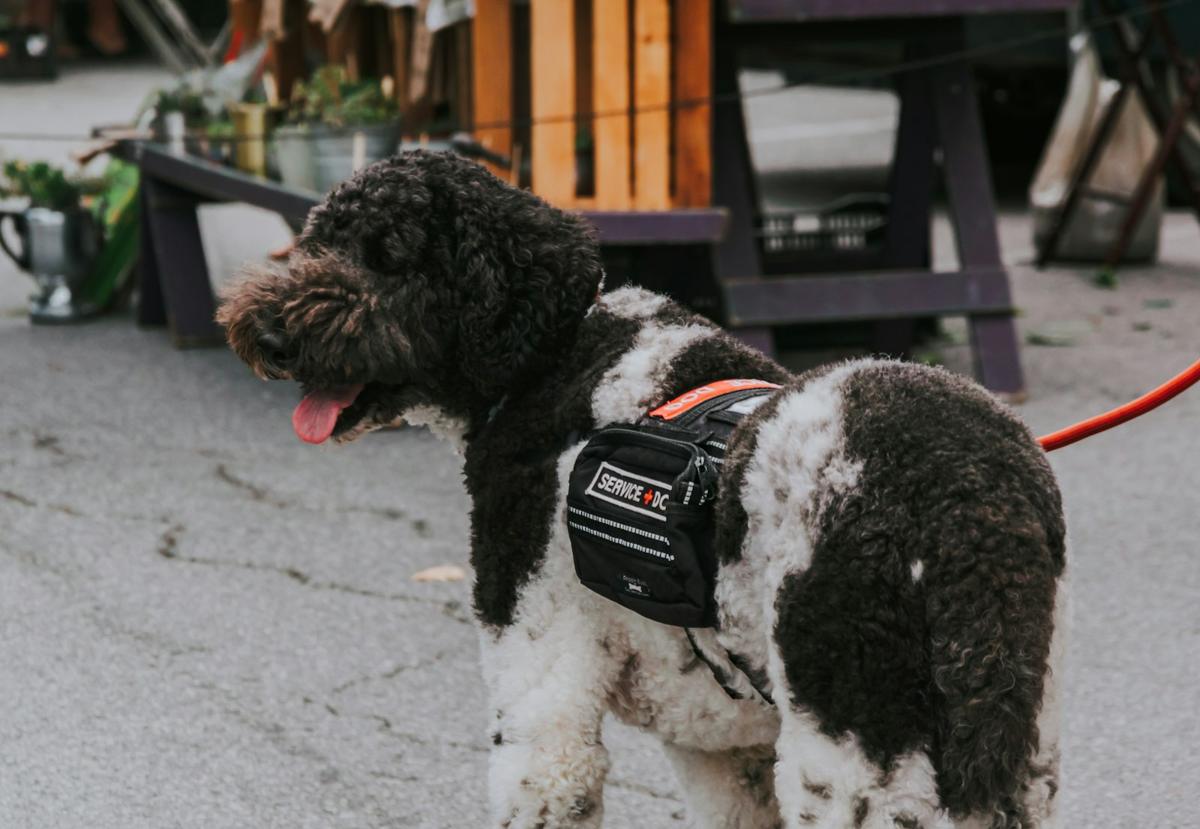
A task is a specific, trained action that mitigates a disability. Here are common examples. Individual tasks should be chosen with your health care providers.
Retrieving dropped items, opening and closing doors, turning lights on and off, bracing for balance, pulling a manual wheelchair, providing support on stairs.
Fetching medication, alerting others, getting help or a phone, and, for some dogs, alerting to physiological changes. Alert tasks are the hardest to train and prove, so be cautious of any promises.
Interrupting repetitive or self-harming behavior, deep pressure therapy during anxiety or panic, creating space in crowds, waking from nightmares, reminding about medication.
Alerting to alarms, doorbells, phones and approaching sounds.
Interrupting repetitive behaviors, providing grounding, helping prevent bolting with tethering (where appropriate), and supporting calm in public.
Staying with a person, activating alarms, retrieving help or medication. 'Seizure alert' (predicting a seizure) is not reliably trainable.
See ADA service dog rules for how the law treats tasks.
This article is general information, not veterinary, legal or professional training advice. If your dog has a health or safety concern, contact your veterinarian or a qualified behavior professional.

Months to two years is typical. Here's what drives the timeline, with a stage-by-stage breakdown for owner-trained and program-trained dogs.
Read more
Compare the two routes to a service dog: control, cost, speed, waitlists and risks.
Read more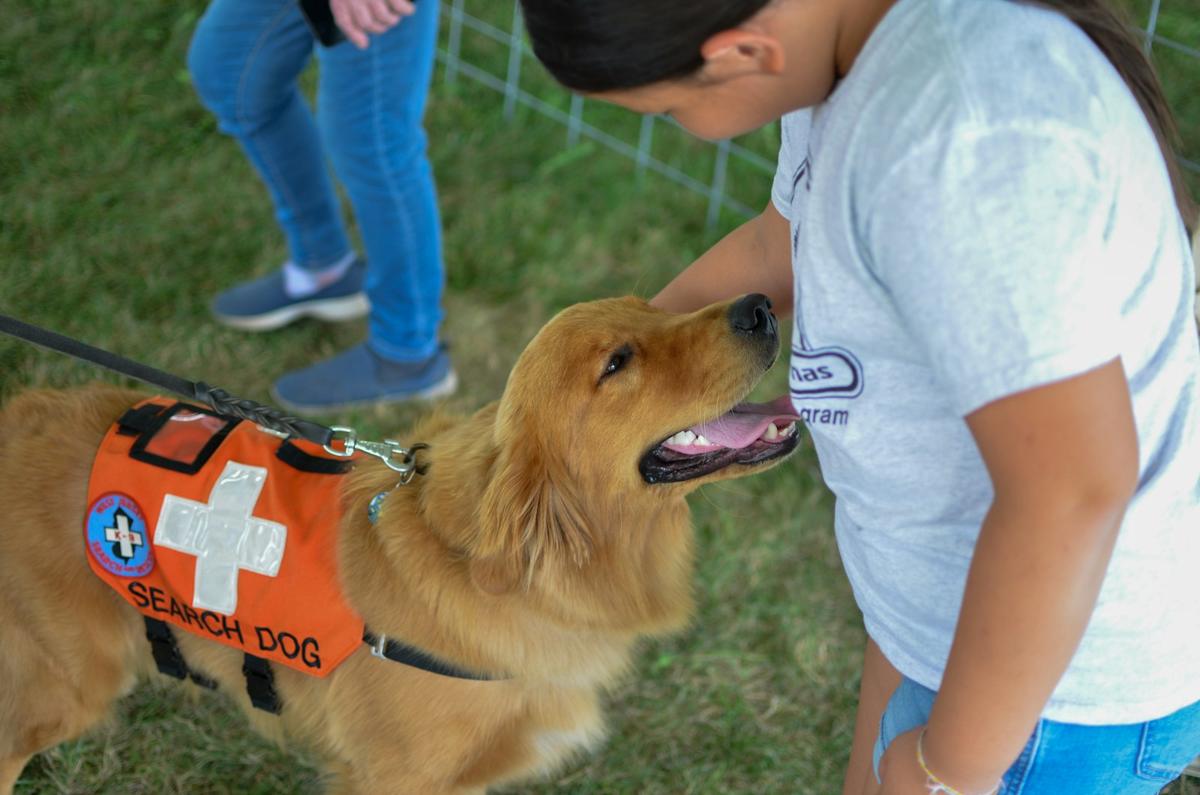
Stay calm, answer the two permitted questions, know when a dog can be excluded, and how to file a complaint if you're wrongly denied access.
Read moreTell us about you and your dog. If you'd like, we'll pass your request to independent trainers and programs serving the Lehigh Valley who may be able to help. It's free, and there's no obligation to hire anyone.