Starting with the wrong dog
Fearful, reactive or high-prey-drive dogs rarely succeed, no matter how loved.
Training your own service dog is legal, common and hard. Here's how the process typically unfolds.
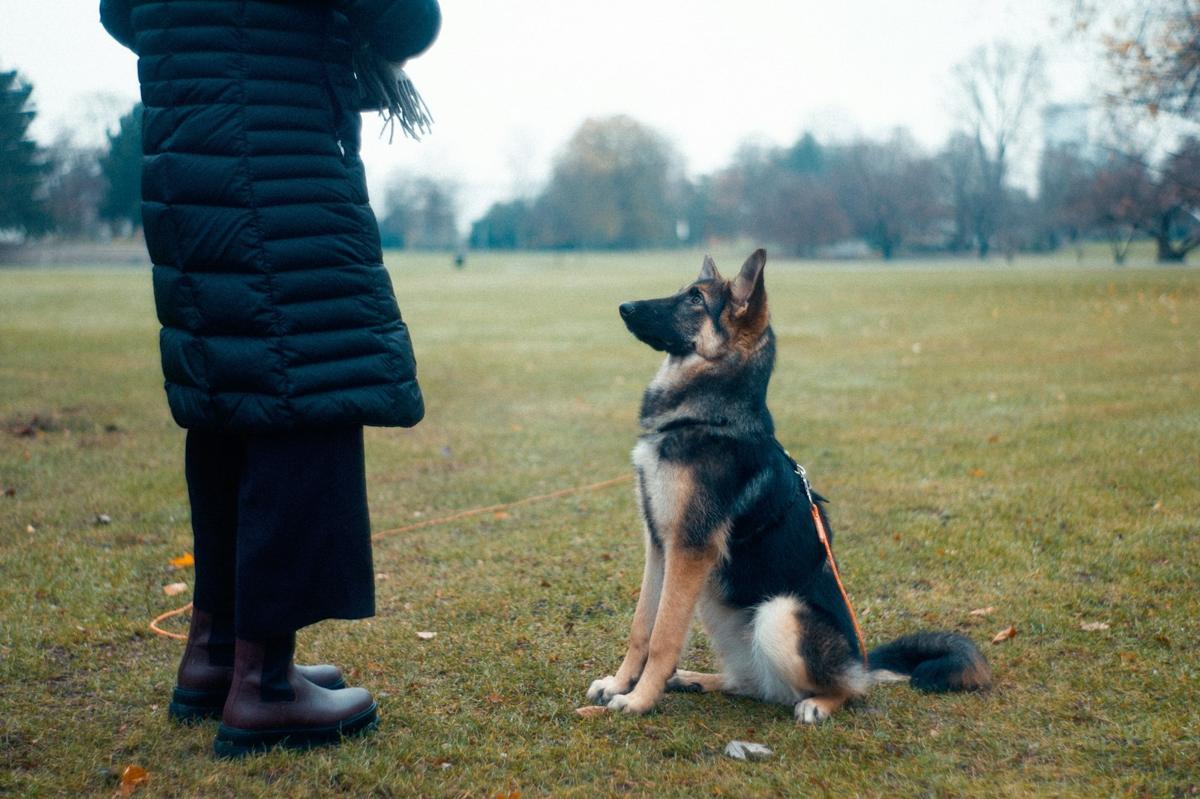
Talk with your health care providers about whether a service dog could help and what tasks would matter. Consider the realities: cost, care, public scrutiny and a 10+ year commitment.
Look for stable temperament, social confidence, trainability and sound health. Many candidates don't complete training, so plan for that possibility. See owner-trained vs. program-trained dogs.
Name response, sit/down/stay, loose-leash walking, settle on a mat, recall, handling tolerance and impulse control.
Gradual, positive exposure to people, surfaces, noises and environments, never flooding the dog.
Break each task into small steps, mark and reward, then proof across places and distractions. See task examples.
Short, successful outings, building up to restaurants, stores and transit. See the public access checklist.
Periodically test the team, ideally with an independent evaluator, and keep proofing. Training never fully ends.
Ready to look? Read the trainer hiring guide, or request a free referral below.
Fearful, reactive or high-prey-drive dogs rarely succeed, no matter how loved.
A dog who fails in public can lose confidence. Go slowly.
Tasks must work when you're tired, stressed or distracted.
Isolation makes it harder to notice problems early.
Tell us about you and your dog. If you'd like, we'll pass your request to independent trainers and programs serving the Lehigh Valley who may be able to help. It's free, and there's no obligation to hire anyone.